
Global (En)
Contact us
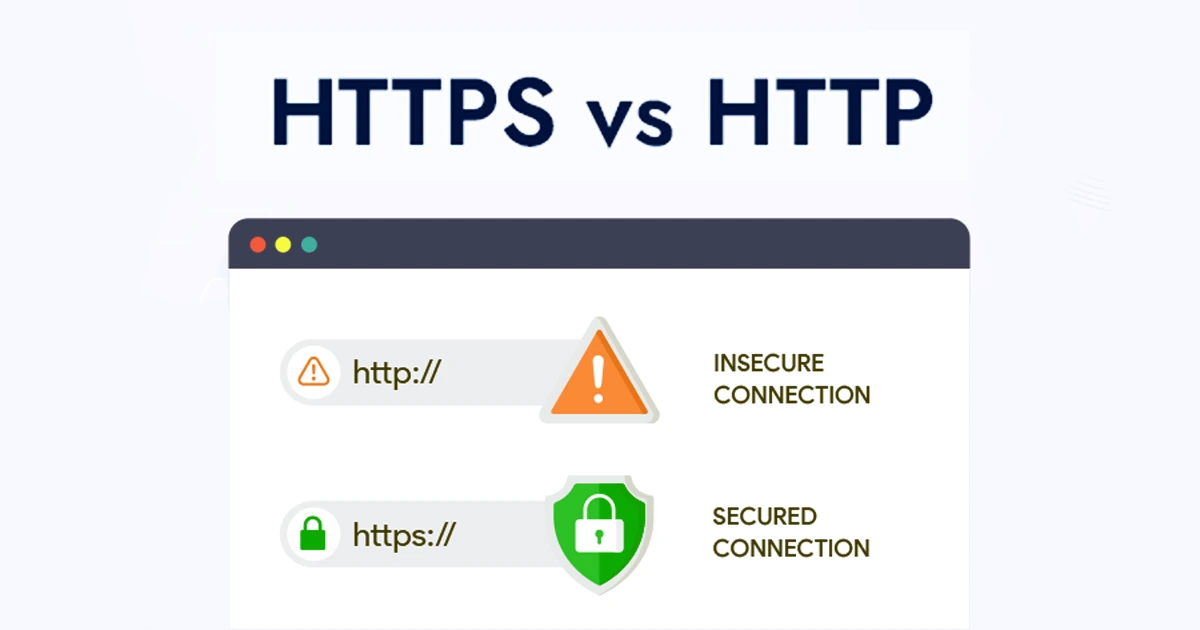
Look back to the days of flip phones, dial-up internet, and Orkut; that is just how long HTTP is going to last in 2025. If it still clings to your site, not only are you behind everyone else, but you are endangering your data, search engine optimization (SEO) rankings, and client trust as well. In the meantime, HTTPS sets the new gold standard concerning speed, safety, and integrity.This is no longer just for the tech giants now-there’s e-commerce startups, personal blogs, and everyone in-between to switch to HTTPS. The move is to remain relevant, trustworthy, and Google-approved-without being just a protocol upgrade. It’s a reputation upgrade.Still thinking about possibly ignoring that extra ‘S’? A whole lot more and an even better search ranking, swifter performance, and the safety of critical data are probably being ignored. Let us analyze a few real discrepancies between HTTPS and HTTP, and why it is possible that sticking to an aging train may cost much more than one thinks.What is HTTP and HTTPS? Full Forms ExplainedFirst, though, we must keep this in mind: what HTTP and HTTPS stand for in full:HyperText Transfer Protocol is what stands for HTTP.HyperText Transfer Protocol Secure is what stands for HTTPS.These two protocols tend to function in the process of data transfer between a user’s browser and a web server. The difference remains mainly in the “Secure” portion as to whether you need encryption by SSL or TLS.Also Read: Static vs Dynamic Websites: Which One is Right for Your Business?HTTPS vs HTTP: Understanding the DifferenceDifferences between HTTPS and HTTP can be classified into the following points:SecurityThere is no comparison drawn without defining some terms with respect to HTTPS vs HTTP security. HTTP data is sent in plaintext, making it possible for third-party interception. Such unencrypted data can now lead to breaches, man-in-the-middle attacks, and identity theft.HTTPS, on the contrary, encrypts the data using SSL/TLS protocols, ensuring that the information cannot be read or altered during transmission. This, in turn, provides confidentiality, integrity, and authentication.Port UseLooking at HTTPS vs HTTP port use:HTTP by default uses port 80. This port distinction becomes important when configuring firewalls or setting up servers. Data IntegrityInformation travelling over HTTP can be interfered with. HTTPS affirms that the information remains unchanged, providing integrity from point to point.AuthenticationThe HTTPS protocol provides server verification, allowing verification of the actual website or entity being accessed. This is done through SSL/TLS Certificates, which are issued by trustworthy third-party Certificate Authorities (CAs). HTTP has no such verification mechanism.SEO and TrustworthinessSearch engines, notably Google, provide a ranking advantage to HTTPS websites. Additionally, browsers like Chrome label HTTP sites as “Not Secure,” which may repel potential users. Thus, HTTPS is accredited and instills confidence in the users.Why is HTTPS Faster Than HTTP?While it is believed one speed is sacrificed for encryption, in most cases, HTTPS tends to be faster than HTTP due to modern performance optimizations like:Support for the HTTP/2 protocol (only available over HTTPS)Multiplexing (allows multiple requests in parallel)All contribute to lowering latency and increasing loading speed. In practice, sites authorized by HTTPS are always faster than those running on HTTP, so speed is yet another reason in favour of HTTPS. What is HTTPS Used For?Today, HTTPS is not just for e-commerce or banking sites. It became a standard security protocol for any kind of site. These are its uses:Securing online transactions (payments, credentials, forms)Protecting user information—login credentials, personal information, etc.Establishing secure communication between applications and APIs.Complying with data protection regulations—GDPR, HIPAA, PCI DSS, etc.From online blogs to SaaS platforms, HTTPS guarantees secure and private web interactions for all kinds of users and devices.Should I Use HTTPS or HTTP?This leads me to one such question: Should I use HTTPS or HTTP?The answer is undeniably clear: Always use HTTPS.Here’s why:Elevated security for you and your users.Boosted rankings on search engines thanks to Google’s algorithms.Browser compliance, with modern browsers tags HTTP as “Not Secure.”Trust from customers: The backbone of any business—credibility and engagement.Eligibility for future web features such as Progressive Web Apps (PWAs), which require HTTPS.What Are the Disadvantages of HTTP?Even though HTTP laid the foundation of the early web, today it comes with several disadvantages, among them being:Encryption-lessThe main reason why it becomes the worst factor about HTTP is that it sends the data in plain text, allowing interception by hackers.Exposure to AttacksSince it is not encrypted, it’s left vulnerable to man-in-the-middle (MITM) attacks, packet sniffing, and session hijacking.No AuthenticationThere is a lack of any kind of authentication mechanism in HTTP, which makes phishing and spoofing very common.Absence of Data IntegrityAny data exchanged over HTTP can be changed without either the user or the server being notified.Reduced User TrustToday’s users are well aware of the consequences. The ‘Not Secure’ sign on a website can chase potential customers away.SEO PenaltiesThose running websites in HTTP face penalties from search engines, which in turn lowers their visibility.The Cost of Not Moving to HTTPSStill thinking of switching? Here are some of the consequences of continuing with HTTP:Traffic Loss Because of Poor Visibility in SEO Rankings.Low Conversions Due to Lack of Trust Among Users.Increased Risk of Legal Liabilities in Case of Data Breach.New APIs and services are increasingly being designed to be only accessible through HTTPS.Conclusion: HTTPS Is No Longer Optional—It’s the StandardThe debate of HTTPS vs HTTP is not merely technical; it is about security, performance, and above all, experience. With increasing sophistication in internet usage, an increasingly informed populace desires safer and faster interactions on the web. HTTPS meets those by providing robust encryption, better SEO, much faster speed, and increased trust.With the question changed from “Will I use HTTPS or HTTP?” to “Why haven’t you switched to HTTPS yet?”, it is clear that the secure future of the internet lies in HTTPS.
Healthcare is a competitive industry, both in small towns and large cities, and without solid digital marketing strategies for healthcare, your chances are pretty low. People have more options than ever for healthcare, so you should separate your business from everyone else with the right digital marketing strategies for healthcare companies. This way, you can […]
Online shopping has fully replaced our traditional methods of shopping, especially through social media marketing for fashion brands. Although we stopped wasting hours in shopping malls, the situation has made us way lazier; as it is incredibly simple to shop and stay up-to-date on fashion trends thanks to social media marketing. Additionally, a brand new […]
Instagram isn’t just a place to share photos anymore. Users type queries into the Instagram search bar to find businesses, creators, and content. Posts can also appear in Google search results.That means if you’re not thinking about Instagram SEO, you’re missing out on visibility. The good news is, you don’t need advanced tactics to get […]
What will actually shift patient behavior and brand preference in healthcare marketing? As marketers and agency teams, we need approaches that respect regulation, build trust, and deliver measurable growth. Below, you will find eight widely known campaigns, along with their strengths and the tactics you would reuse. What’s Inside Why Healthcare Marketing Requires a Unique […]
Explore our newest additions to the largest digital marketing library of on-demand courses. They’re all included in the All Access Pass and keep you ahead in the fast-paced, ever-evolving world of digital marketing. Stop guessing your ad spend. Learn how to set the right budget, control costs, and boost performance with Meta’s Advantage+ tools. Search […]

Healthcare is a competitive industry, both in small towns and large cities, and without solid digital marketing strategies for healthcare, your chances are pretty low. People have more options than ever for healthcare, so you should separate your business from everyone else with the right digital marketing strategies for healthcare companies. This way, you can […]
Learn more
Online shopping has fully replaced our traditional methods of shopping, especially through social media marketing for fashion brands. Although we stopped wasting hours in shopping malls, the situation has made us way lazier; as it is incredibly simple to shop and stay up-to-date on fashion trends thanks to social media marketing. Additionally, a brand new […]
Learn moreWe partner with industry leaders and open-source communities to bring you world-class solutions. Our collaborations allow us to integrate the latest models, infrastructure, and techniques into our enterprise-grade offerings.